A tender, intimate encounter in virtual reality between participant and performer.
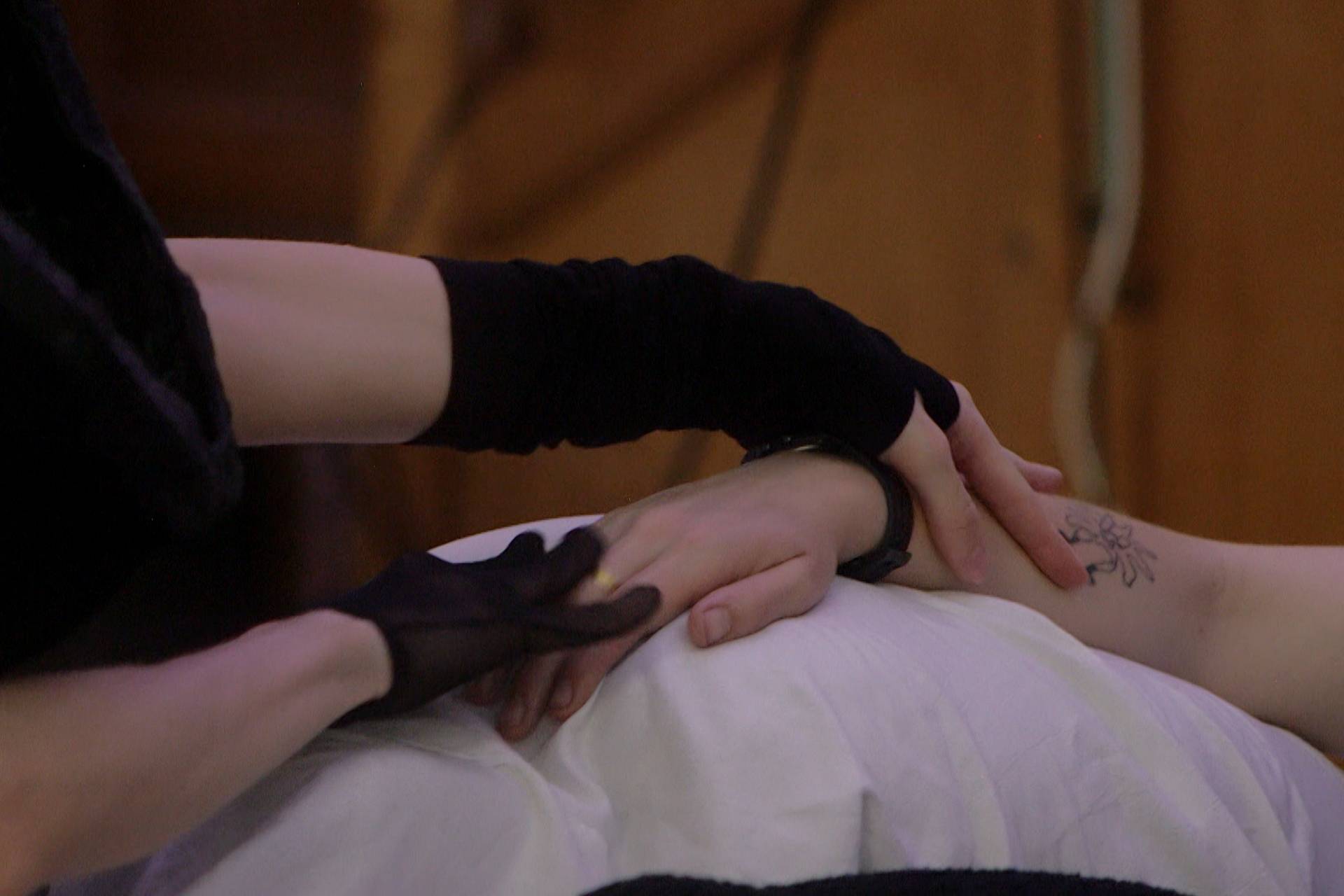
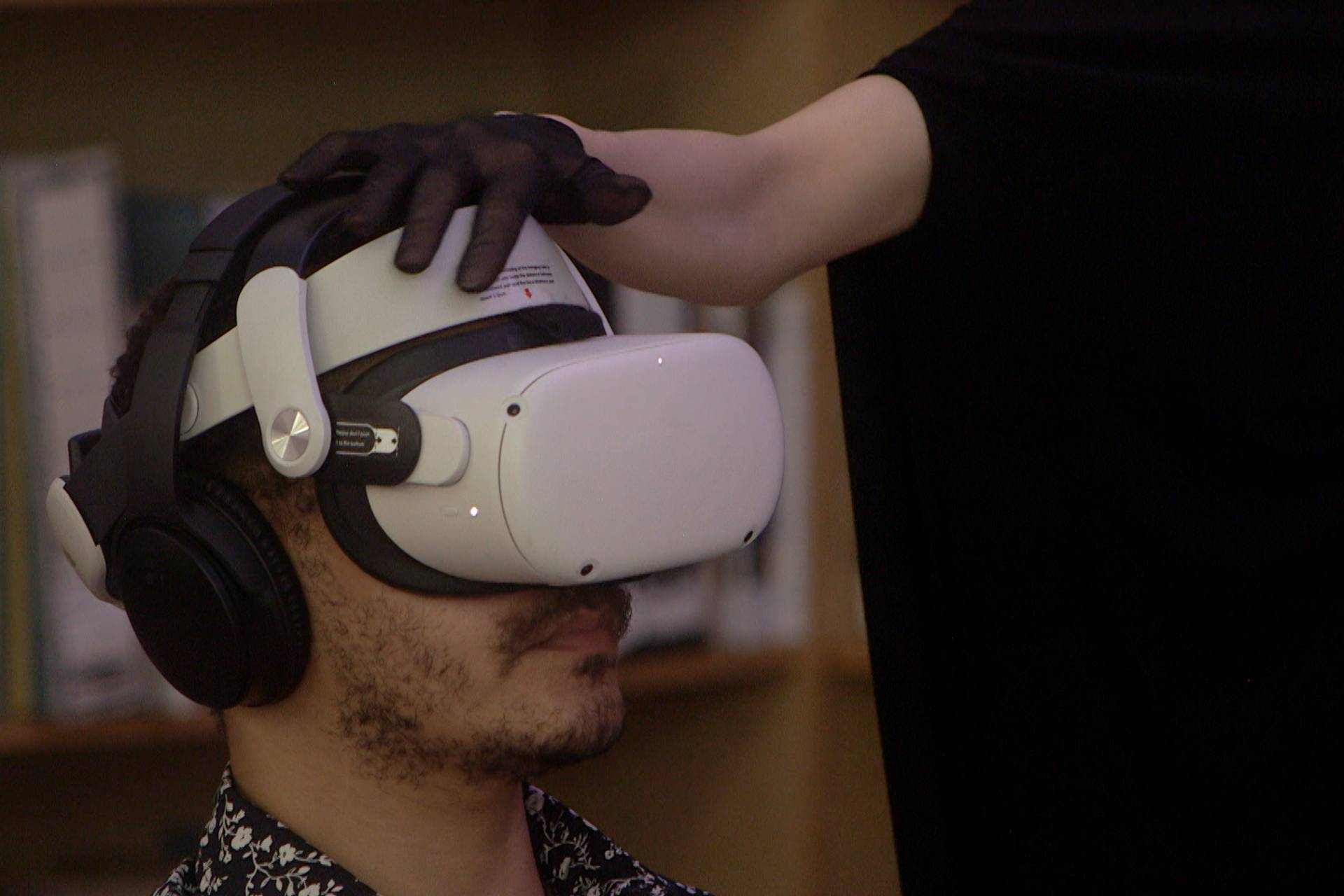
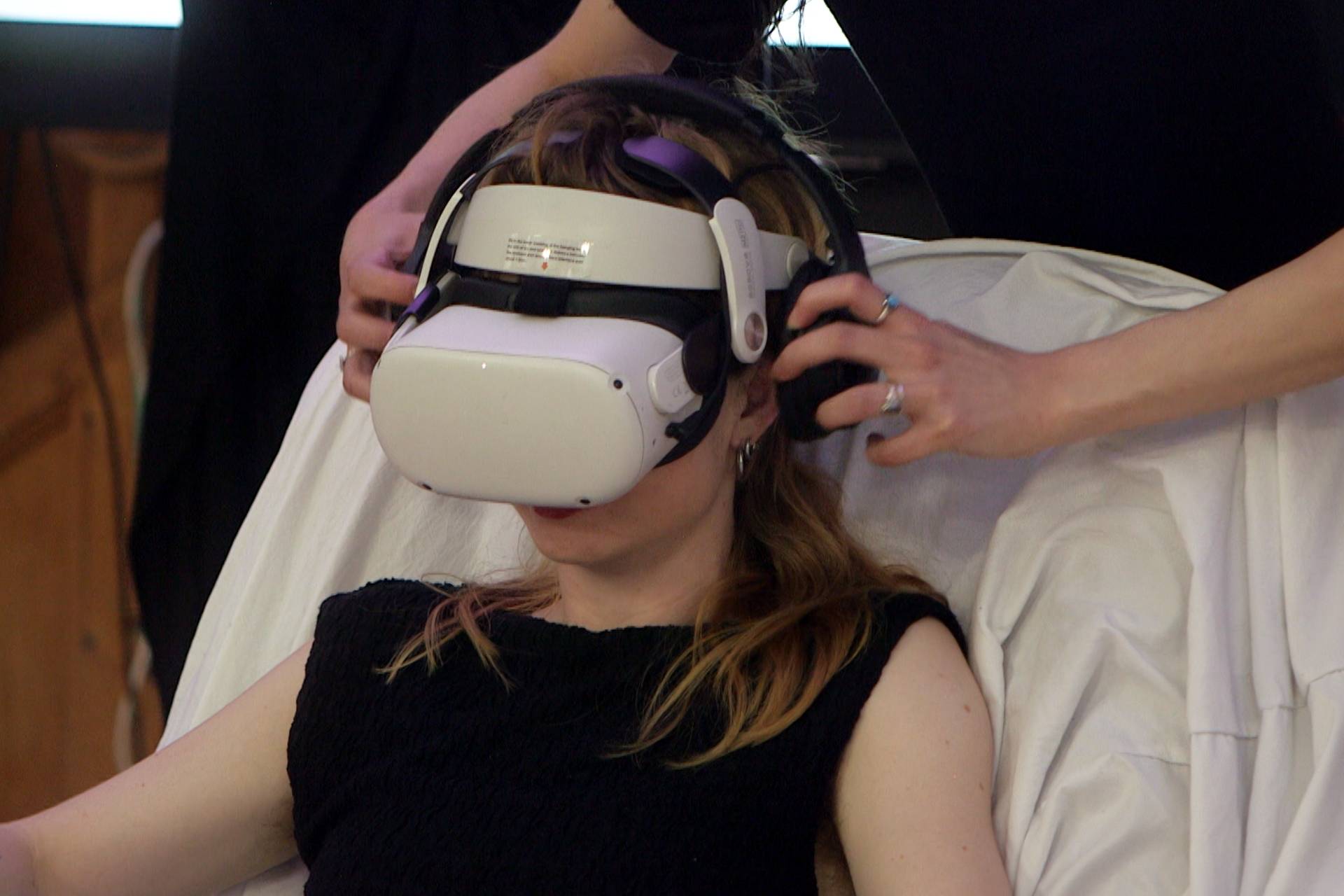
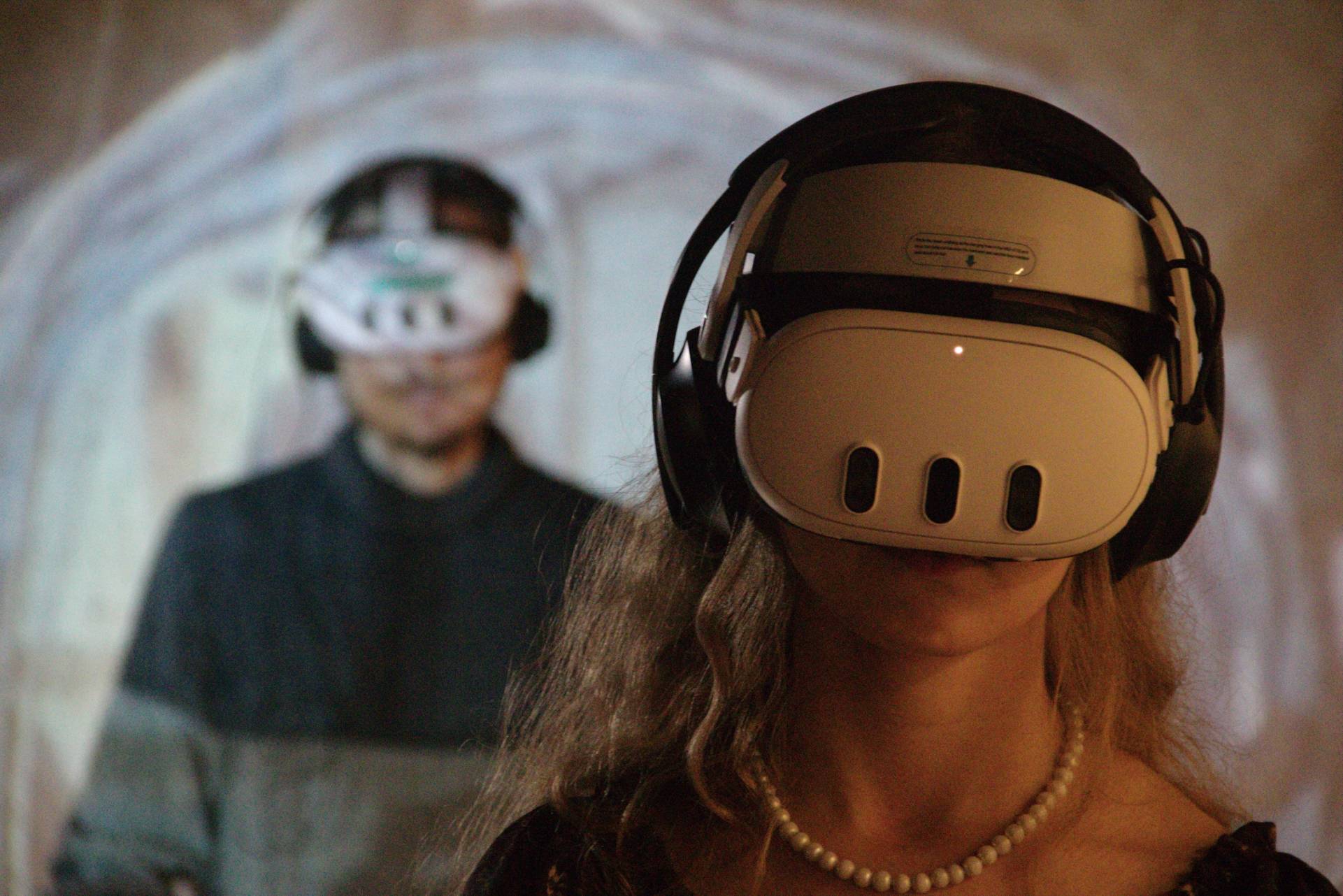
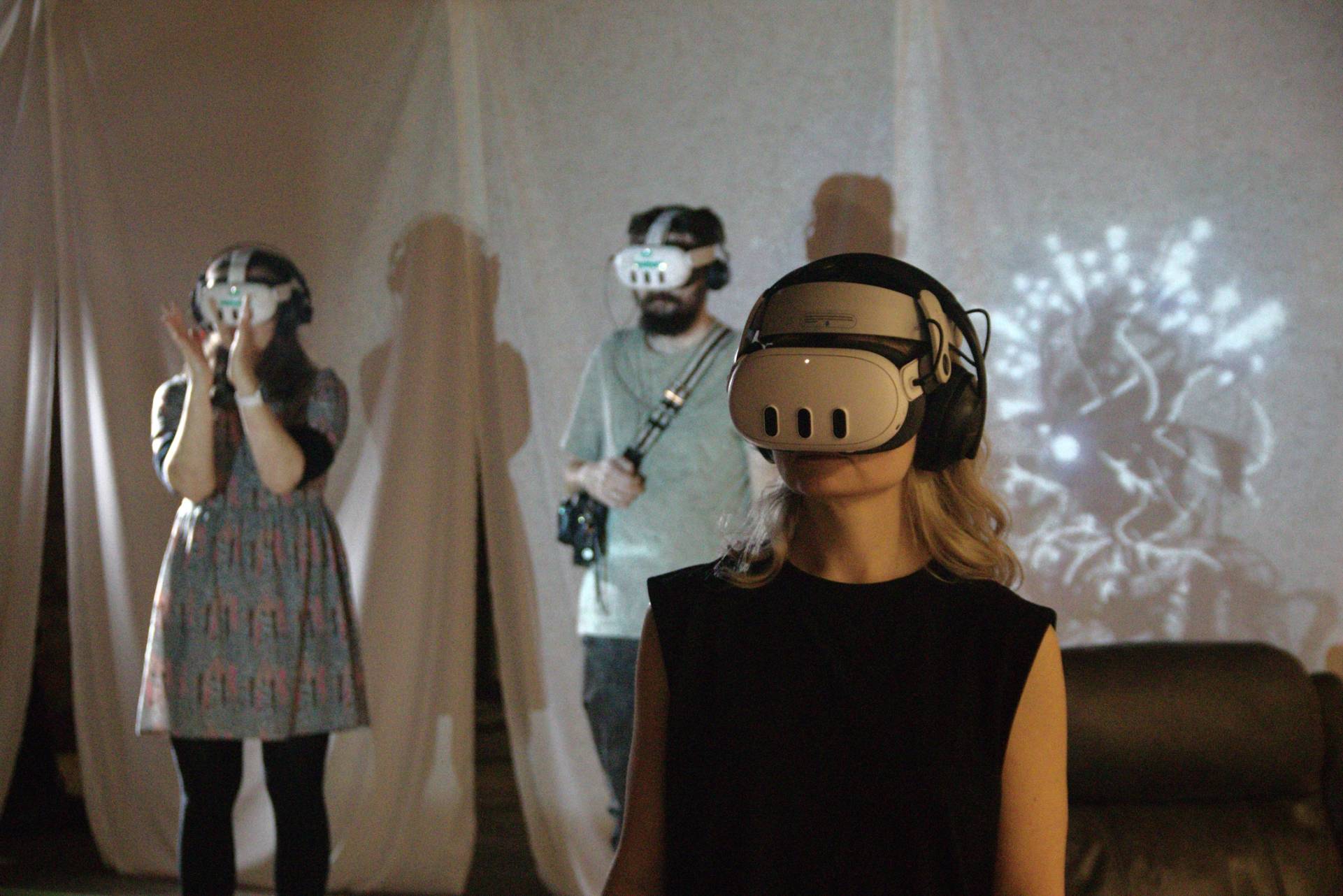
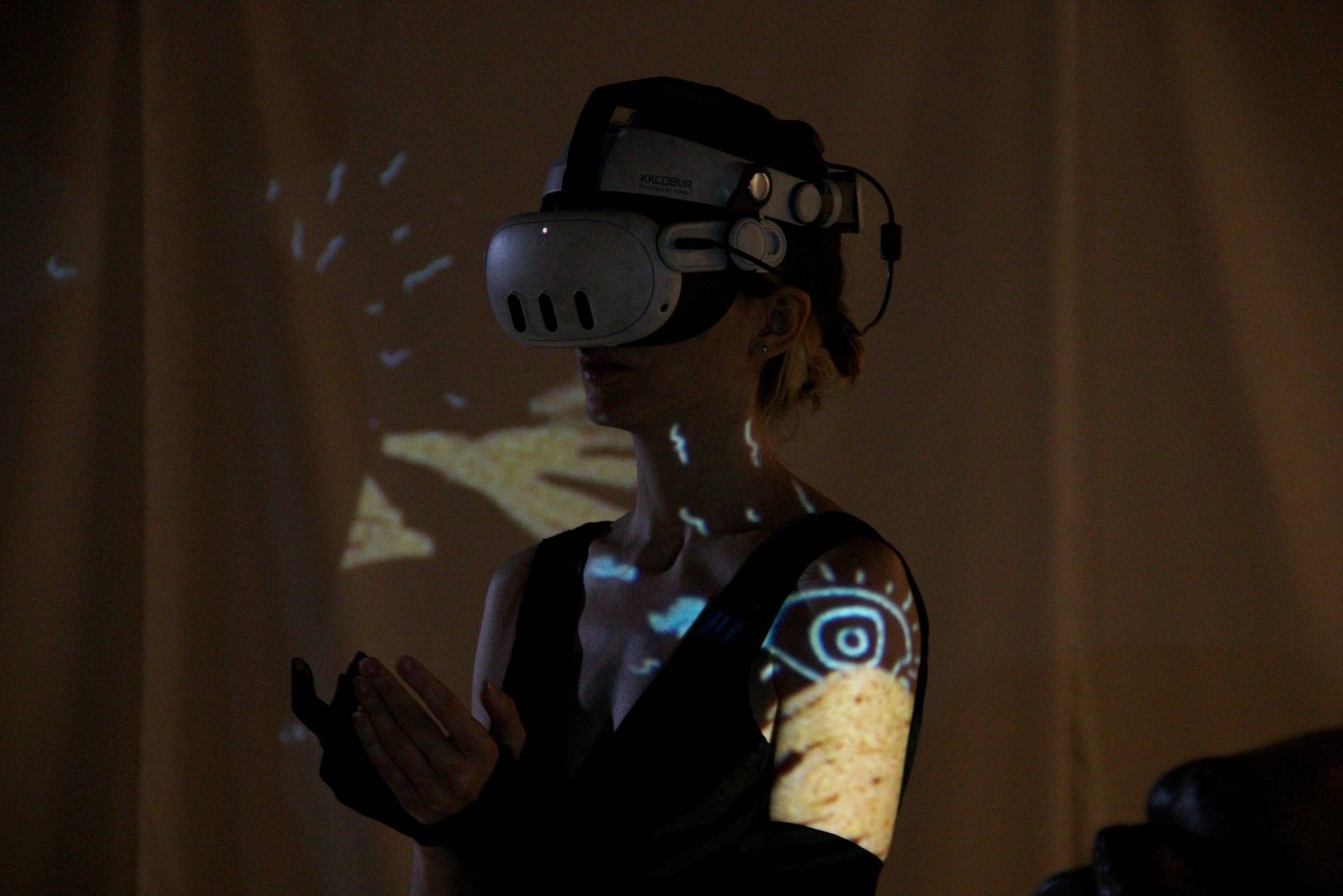
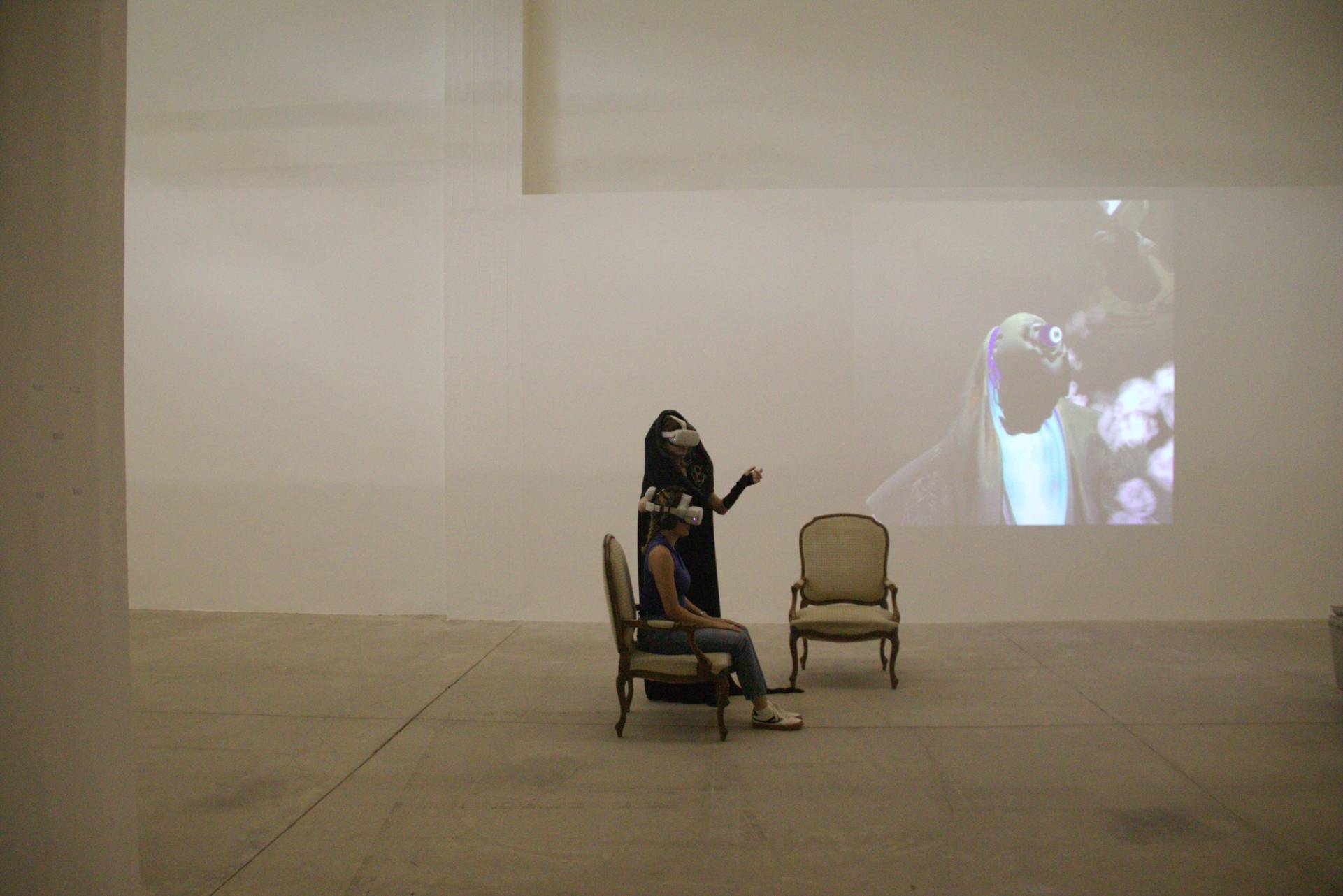
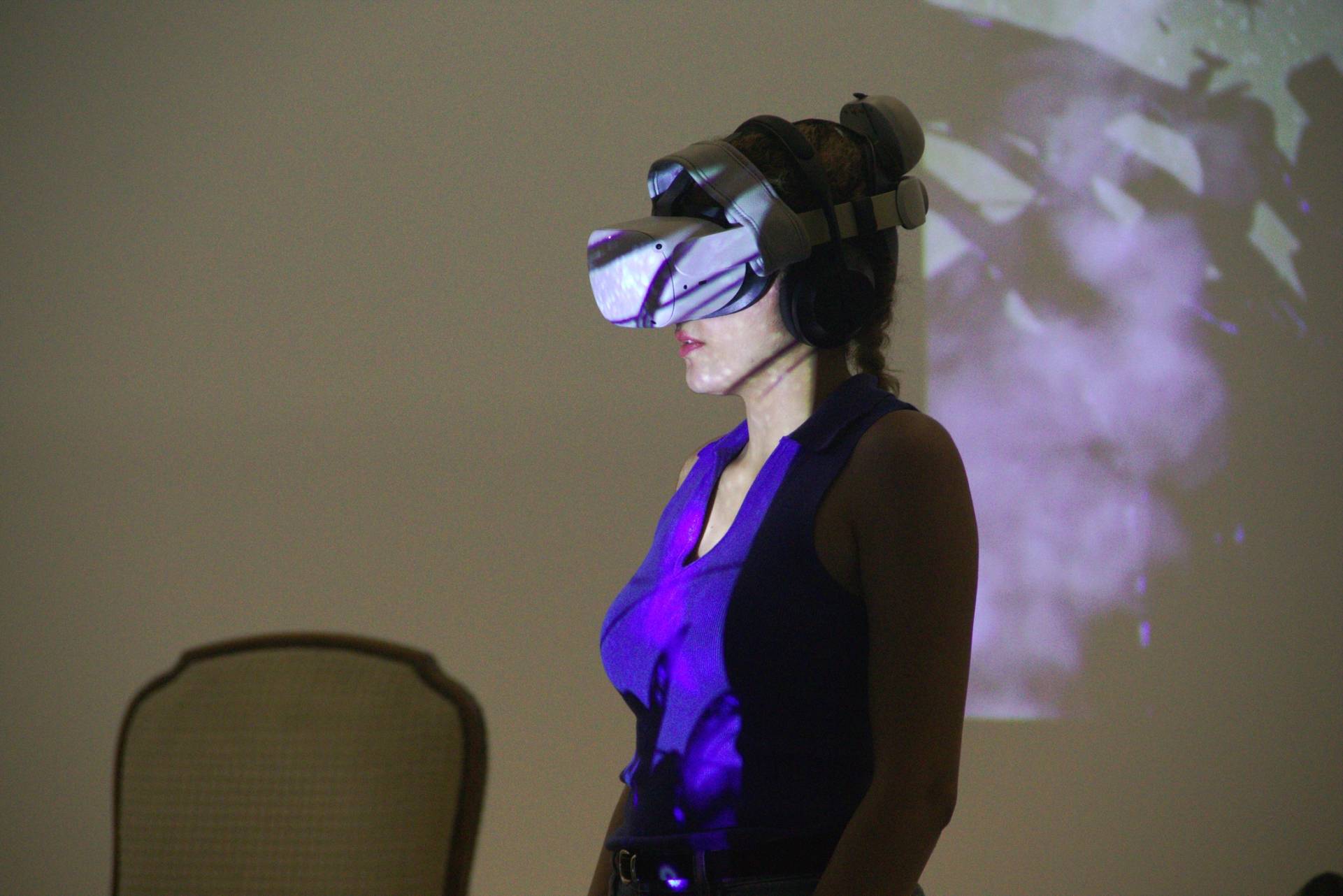


This part-memoir, part-immersive archive draws audiences inside a digital reconstruction of the artist’s childhood home on an intimate journey that follows the complexities of her relationship with her mother across three decades marked by regional unrest and their eventual separation.
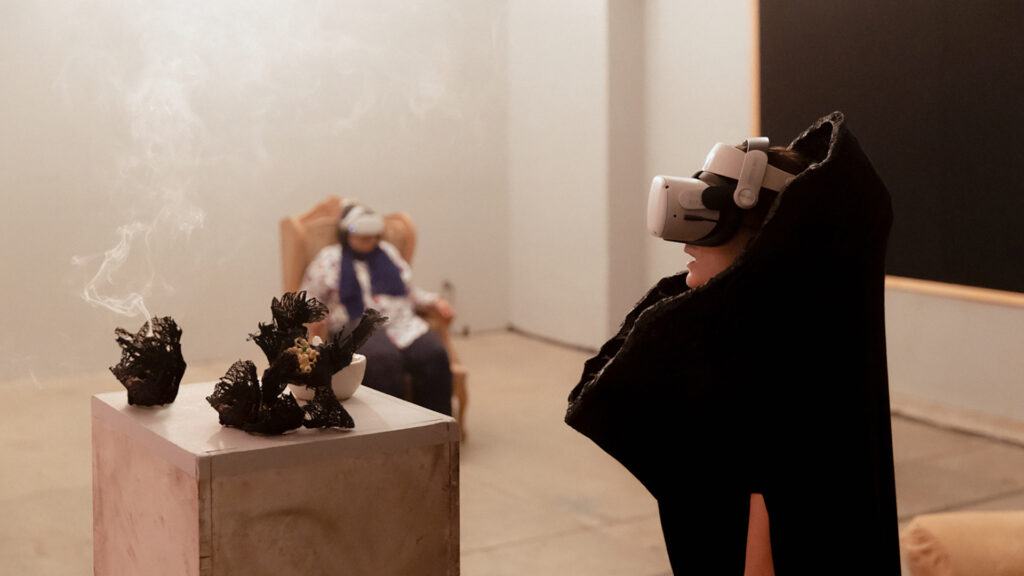
Nazar unfolds as experiential poetry within evil eye protection sessions, shared over the years by mother and daughter, communicated primarily through touch.


Slowly moving past personal narratives, embodied performances invite audiences to experience these practices, extended virtually into a speculative future, as methodolgies of deeply enduring care.


Nazar culminates in a sensorial choreography sealing a covenant between a people and land, moon, clouds, stars and vines.


“This has been an unmatched experience that far exceeded what I thought could be accomplished in relation to performance and rooted sensorial knowledge”
Sursock Museum User-Testing [2024]


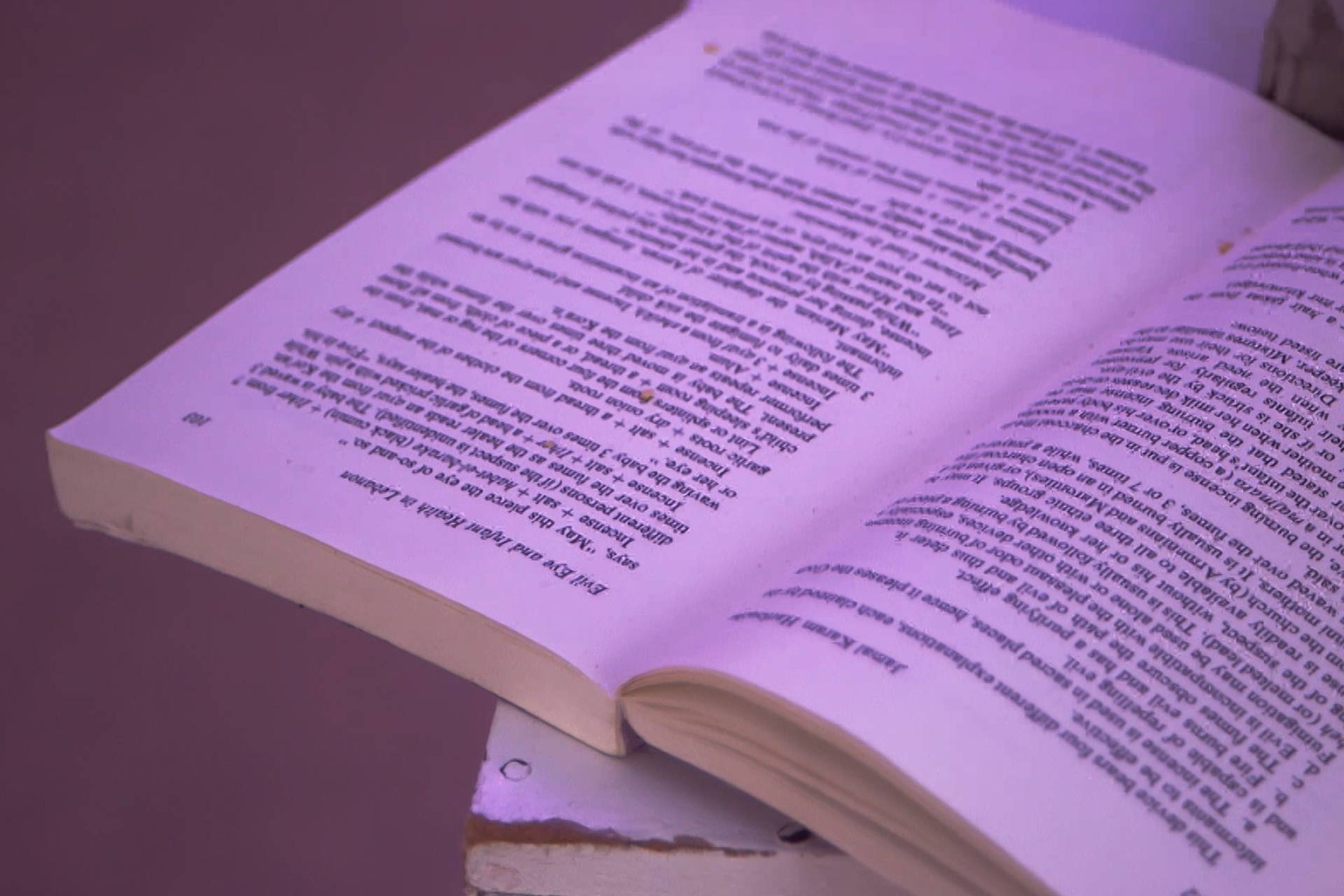
The experience is informed by an ongoing research that delves into the constellation of protection practices, passed-down from mother to daughter across generations in Southern Lebanon.


To learn more about our research, click here ……………………………………….. ↓↓↓↓↓↓


Created and performed by Lara Habib Kobeissi
Lead Collaborator and Associate Producer Thomas Buckley
XR Development Pete Roobol
Sound Design Sarmad Louis and Rawane Khater
XR Art Lara Habib Kobeissi
Performance Design Consultancy Hanane Hajj Ali and Sarmad Louis
Contributors:
Salam Ali Sbeity
Soad Jrady
Lina and Itaf Karaki
Sahar and Yusra Kobeissi
Special Thanks to: Elsa • Mariam • Sara • Sally • Aida & Hussein Sbeity • Rola & Salah Zeidan • Alia Alzougbi • Wanda Hu • Marc Boothe • Rob Morgan • Ben Carlin
With additional thanks to: Thomas Buckley and Hanane Hajj Ali